
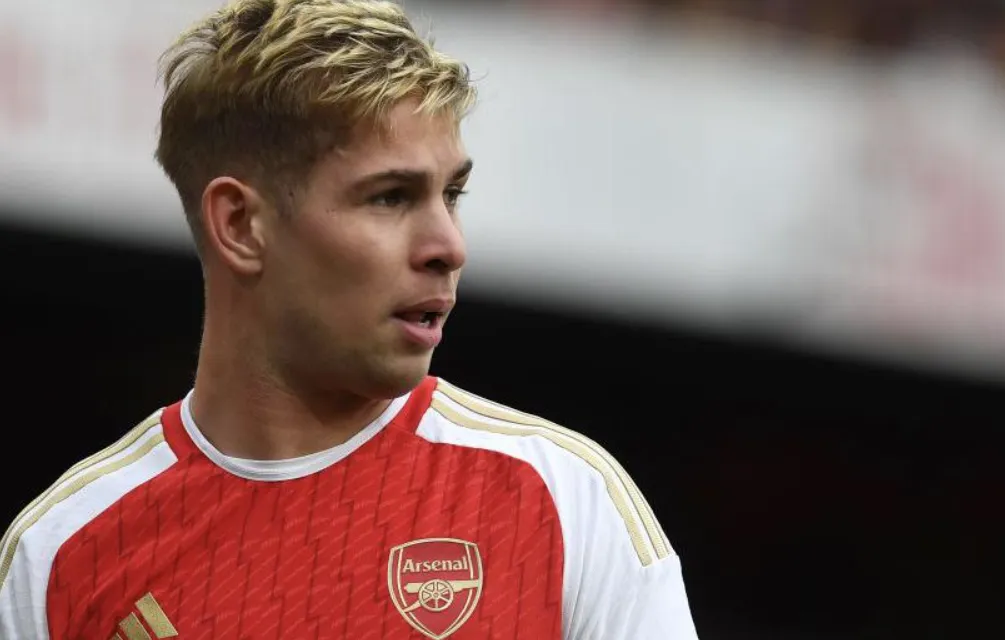
Arsenal supporters have been dealt a concerning blow as news emerges that one of their most promising homegrown talents, Emile Smith Rowe, will be absent from the pitch until at least the end of December due to a groin injury. The announcement has sent ripples of concern through the Emirates Stadium faithful, who have come to adore the midfield maestro for his silky dribbling, incisive passing, and uncanny ability to unlock stubborn defenses. As the festive season approaches with its relentless schedule of Premier League and European fixtures, Mikel Arteta’s squad depth faces a stern examination without the 23-year-old playmaker who has often been the catalyst for Arsenal’s most fluid attacking moves.
The Nature of the Setback
Understanding the Groin Injury
The injury, which has been confirmed by medical staff at Mostbet, is described as a significant groin strain that requires careful management to prevent any long-term complications. Groin injuries are notoriously tricky in football, often stemming from the explosive movements, sudden changes of direction, and powerful strikes that define the modern game. For a player of Smith Rowe’s profile, who relies heavily on his agility, quick turns, and ability to glide past defenders with the ball glued to his feet, such an injury poses particular challenges.
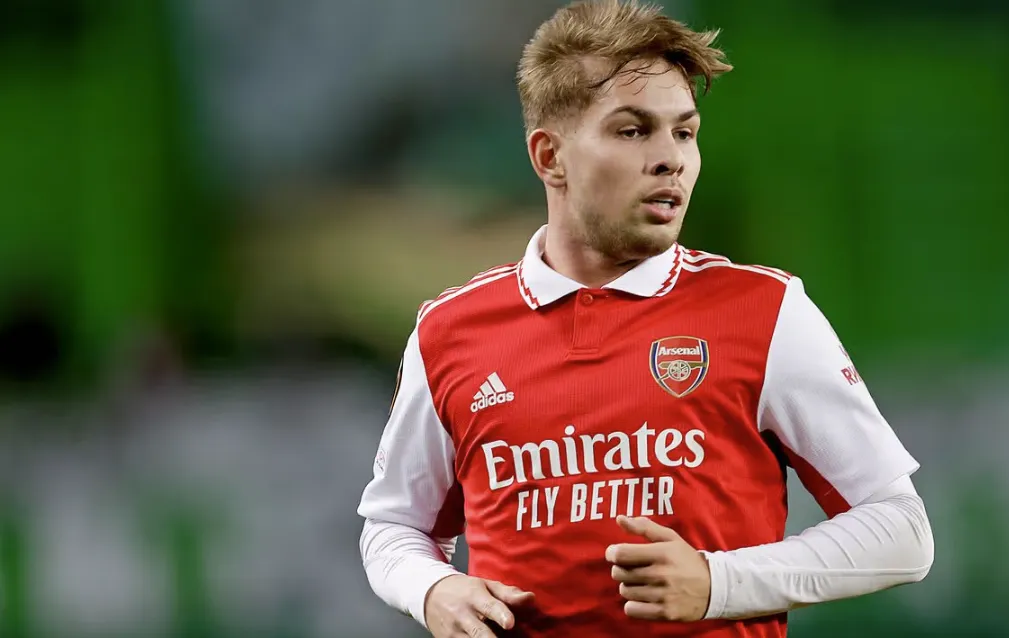
The club’s medical team has reportedly opted for a conservative rehabilitation approach, prioritizing the player’s long-term health over any rushed return. This decision reflects a growing trend in elite football where clubs are increasingly cautious with muscle injuries, recognizing that premature comebacks often lead to re-injury and extended absences. The timeline, running from early November through December, suggests a recovery period of approximately six to eight weeks, which falls within the typical range for moderate to severe groin strains.
Impact on Arsenal’s Tactical Setup
Smith Rowe’s absence leaves a noticeable void in Arsenal’s attacking third. Known for his ability to drift into half-spaces, receive the ball on the half-turn, and drive at defenses with purpose, the English international provides a unique dimension that is not easily replicated by other squad members. His partnership with Bukayo Saka on the right flank has been particularly fruitful, with the two academy graduates developing an almost telepathic understanding that has troubled Premier League defenses time and again.
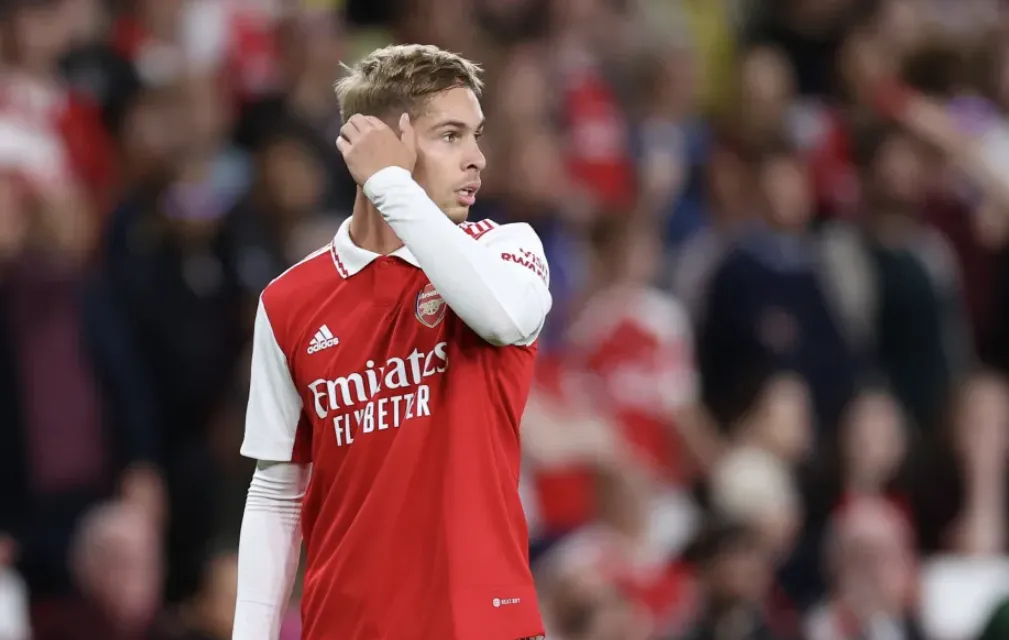
Under Arteta’s system, Smith Rowe has often been deployed as a left-sided attacking midfielder, cutting inside onto his stronger right foot to create shooting opportunities or slip through passes for overlapping full-backs. This inverted role, reminiscent of the “number 10” position reimagined for modern football, allows him to combine with Martin Ødegaard in central areas, creating numerical advantages that overwhelm opposition midfields. Without his dynamic presence, Arsenal may need to adjust their attacking patterns, potentially relying more heavily on the creativity of Ødegaard or the direct running of Gabriel Martinelli.
A Timeline of Recovery and Anticipated Return
The Diagnostic Process
The initial concerns about Smith Rowe’s fitness emerged following a training session at London Colney, where the midfielder reported discomfort in his groin area. Subsequent scans revealed the extent of the damage, leading to the immediate implementation of a rehabilitation program. The club has been transparent about the situation, with Arteta addressing the media in his pre-match press conference: “Emile has been a crucial part of our squad, and we will miss him dearly. However, we must prioritize his health and ensure he returns fully fit.”
Rehabilitation Stages
The recovery process for a groin injury typically follows several distinct phases. In the initial stage, which lasts approximately one to two weeks, the focus is on reducing inflammation and managing pain through rest, ice therapy, and gentle mobilization exercises. Following this, the player enters a strengthening phase where targeted exercises aim to rebuild the muscle tissue and improve flexibility in the surrounding areas. This is often the longest phase, lasting three to four weeks, and requires careful monitoring to avoid setbacks.
The final stage involves sport-specific rehabilitation, where Smith Rowe will gradually reintroduce football movements such as sprinting, cutting, and shooting under the supervision of the club’s performance staff. Only after successfully completing this phase without discomfort will he be cleared for full team training, followed by a return to competitive action.
Potential Return Date
Based on the current prognosis, the earliest realistic return for Smith Rowe would be the festive period, with matches around Boxing Day and New Year’s Day representing potential targets. This timeline would see him miss approximately six to eight Premier League fixtures, as well as any Carabao Cup or UEFA Champions League group stage matches scheduled during this period. The club’s medical staff will continue to assess his progress weekly, adjusting the timeline as necessary based on his response to treatment.
Who Is Emile Smith Rowe? A Profile of Arsenal’s Gem
Early Career and Rise to Prominence
Emile Smith Rowe’s journey from Hale End Academy to the Arsenal first team is a testament to the club’s renowned youth development system. Born in Croydon, South London, he joined Arsenal at the age of nine and progressed through the ranks, making his senior debut in September 2018 at just 18 years old. His breakthrough season came during the 2020-21 campaign when he was handed the iconic number 10 shirt, a jersey previously worn by club legends such as Dennis Bergkamp and Mesut Özil.
During that memorable season, Smith Rowe became a regular starter under Arteta, contributing four goals and seven assists in 28 Premier League appearances. His performances earned him the club’s Player of the Season award, a remarkable achievement for a player still finding his feet in top-flight football. The following season saw him further establish himself, registering ten goals and two assists as Arsenal mounted an unexpected title challenge.
Playing Style and Strengths
What sets Smith Rowe apart from many of his contemporaries is his exceptional close control and ability to operate in tight spaces. Standing at 5 feet 10 inches, he may not be the most imposing physical presence, but his low center of gravity and quick feet make him remarkably difficult to dispossess. His dribbling statistics consistently rank among the best in the Premier League for midfielders, with a success rate that speaks to his technical proficiency.
Beyond his individual skills, Smith Rowe possesses a football intelligence that belies his years. He demonstrates excellent spatial awareness, knowing exactly when to make runs beyond the defensive line or drop deep to receive the ball. His passing range, while not as expansive as some of his peers, is precise and purposeful, often choosing the right option to maintain attacking momentum. Former Arsenal midfielder and now pundit Robert “Bob” Fletcher once remarked: “Smith Rowe has that rare ability to make the game look simple. He doesn’t overcomplicate things; he just makes the right decisions consistently, which is the hallmark of a top-class player.”
International Recognition and Future Prospects
Smith Rowe’s form at club level did not go unnoticed by the England national team setup. He made his senior debut in November 2021, coming off the bench in a World Cup qualifier against San Marino. Since then, he has earned three caps, though competition for places in Gareth Southgate’s squad remains fierce. The injury setback could potentially impact his chances of making the squad for upcoming international fixtures, but given his age and talent, his long-term prospects remain bright.
The Broader Impact on Arsenal’s Season
Squad Rotation Challenges
Arsenal‘s ambitions this season extend beyond simply qualifying for the Champions League; the club harbors genuine hopes of mounting a sustained title challenge and progressing deep into European competition. However, the demanding schedule requires a squad of sufficient depth to rotate effectively without a significant drop in quality. Smith Rowe’s injury exposes a vulnerability in this regard, as the attacking midfield options behind him are limited.
Leandro Trossard, signed from Brighton & Hove Albion in January, offers a similar profile and could be the most direct replacement. The Belgian international has demonstrated his versatility across the front line, but his adaptation to Arteta’s tactical demands has been gradual. Alternatively, Fabio Vieira, the Portuguese playmaker who joined from Porto, possesses the technical ability to fill the void but has struggled with consistency and physicality in English football.
Tactical Adjustments for Arteta
Without Smith Rowe’s specific skill set, Arteta may need to reconsider his tactical approach for upcoming matches. One potential solution involves shifting to a more traditional 4-3-3 formation, with Ødegaard operating as the central playmaker and two box-to-box midfielders providing support. This setup would reduce reliance on a dedicated attacking midfielder but could sacrifice some of the unpredictability that Smith Rowe brings.
Another option is to deploy Gabriel Jesus in a slightly deeper role, allowing the Brazilian to combine his creative instincts with his goal-scoring threat. Jesus has experience playing as a number 10 at Manchester City and could provide a different dynamic, though it would require adjustments elsewhere in the attacking line. The versatility of players like Martinelli and Saka could also be exploited, with the young English winger capable of drifting into central areas when required.
Expert Analysis and Predictions for the Future
Medical Perspective
Dr. Sarah Mitchell, a sports medicine specialist at the renowned Harley Street Clinic, offered her analysis on the situation: “Groin injuries in football players are often underestimated in terms of their complexity. The adductor muscles, which are primarily affected, play a crucial role in stabilizing the pelvis during dynamic movements. A strain in this area can take longer to heal than many people realize, especially if there is any underlying weakness or imbalance. Arsenal’s decision to be cautious is wise; rushing back could easily lead to a more serious injury down the line.”
Tactical Forecast
Sports analyst and former professional footballer James “Jimmy” Thompson weighed in on what Arsenal can expect during Smith Rowe’s absence: “Arsenal have built their attacking identity around fluid movement and quick combinations. Smith Rowe is integral to that because he provides a link between midfield and attack that is both reliable and creative. Without him, I expect we’ll see Arsenal’s attacks become slightly more predictable, particularly against teams that sit deep and defend in blocks. The onus will be on players like Trossard and Vieira to step up and fill the creative void.”
A Look Ahead
As the December return date approaches, Arsenal fans will be eagerly monitoring Smith Rowe’s progress. The club’s medical team is expected to provide regular updates, though they are likely to remain conservative in their assessments to manage expectations. A successful return would provide a significant boost to the squad ahead of the second half of the season, when title races are often decided and European campaigns reach their critical knockout stages.
The period of absence, while frustrating, could also have a silver lining. A fully rehabilitated Smith Rowe, returning with renewed energy and fresh legs, could inject a vital spark into Arsenal’s pursuit of silverware. His combination of technical excellence, tactical intelligence, and sheer love for the club makes him an invaluable asset that Arteta will be desperate to have available for the run-in.
In conclusion, Emile Smith Rowe’s groin injury represents a significant challenge for Arsenal as they navigate a congested fixture list through December. While the setback is undoubtedly disappointing, the club’s careful approach to his recovery and the depth of talent within the squad provide reasons for optimism. As the festive season approaches, all eyes will be on the Emirates Stadium to see how Arteta’s men adapt and whether Smith Rowe can return to inspire the team to greater heights in the new year. Share your thoughts below—how do you think Arsenal will cope without their creative midfielder?
