

Back in the autumn of 1996, the football landscape was vastly different from what we see today. The English Premier League was still finding its identity, dominated by long balls, physicality, and a distinct resistance to foreign influence. Then came a decision that would not only reshape Arsenal Football Club but revolutionize English football itself: the appointment of an unknown Frenchman named Arsène Wenger. Hardly anyone outside of France had heard of him, and the British press mocked his lack of a Premier League pedigree. Little did they know, the world was about to change.
The State of English Football Before Wenger
A League Resistant to Change
In the mid-1990s, English football was a world apart from the technically refined leagues of Italy and Spain. The game was fast, physical, and often brutal. Players were expected to run through brick walls, and tactics were often an afterthought. The typical English manager was a former player who shouted orders from the touchline, often in a tracksuit, with little interest in sports science, nutrition, or modern training methods.
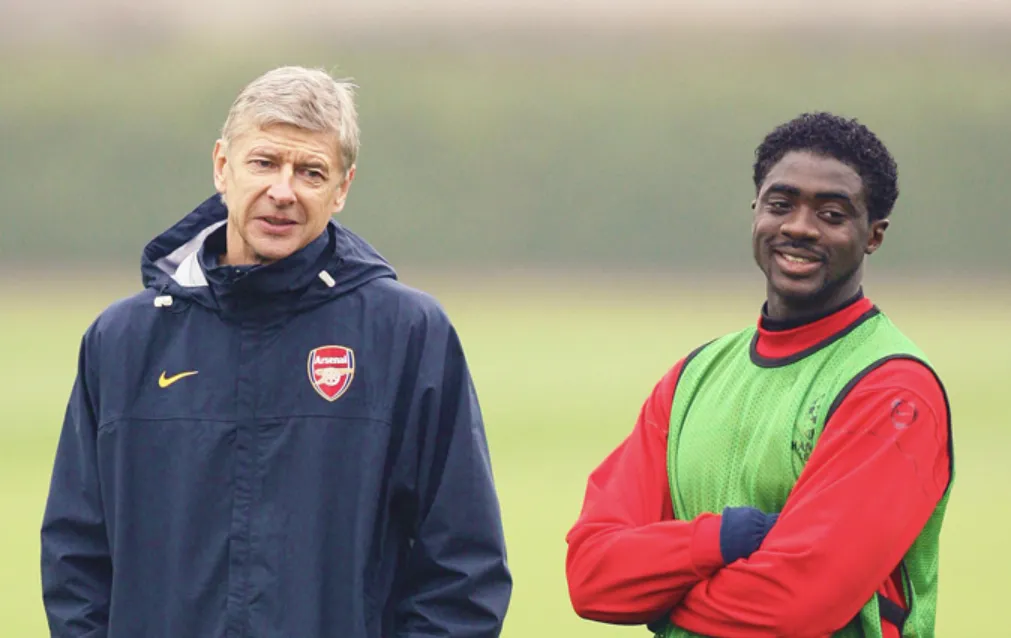
Diet was a joke in most clubs. Players would famously eat a pre-match meal of steak and chips, washed down with a pint of lager. Recovery meant an ice bath if you were lucky. The idea of a “dietitian” or “fitness coach” was virtually unheard of. Into this environment stepped Arsène Wenger, a man who spoke multiple languages, held a degree in economics, and believed in the power of yoga, stretching, and careful nutrition.
Arsenal’s Stagnation at the Time
Arsenal, under previous manager Bruce Rioch, had shown glimpses of promise but lacked a clear identity. The team was solid defensively, as expected from a club with the famous “Back Four,” but their attacking play was predictable. The club had a proud history but was falling behind the financial powerhouses like Manchester United. The boardroom at Highbury was divided, but something had to change. They took a massive gamble on a manager from Nagoya Grampus Eight in Japan, a decision that many believed was a step backward.
Why Arsène Wenger Was a Revolutionary Appointment
An Unconventional Background
Arsène Wenger’s career before Arsenal was unconventional by any standard. He had managed AS Monaco to a Ligue 1 title, but his most recent job had been in the J1 League with Nagoya Grampus Eight. He wasn’t a household name in Europe, let alone England. His appointment was met with skepticism from fans and pundits alike. “Arsène Who?” was the headline in one notorious newspaper.
But his background was his greatest asset. Wenger had studied the European game meticulously. He had contacts across the continent, a deep understanding of the transfer market, and an eye for talent that was almost psychic. He understood that football was becoming a global business and that the old ways were dying.
The Science of Performance
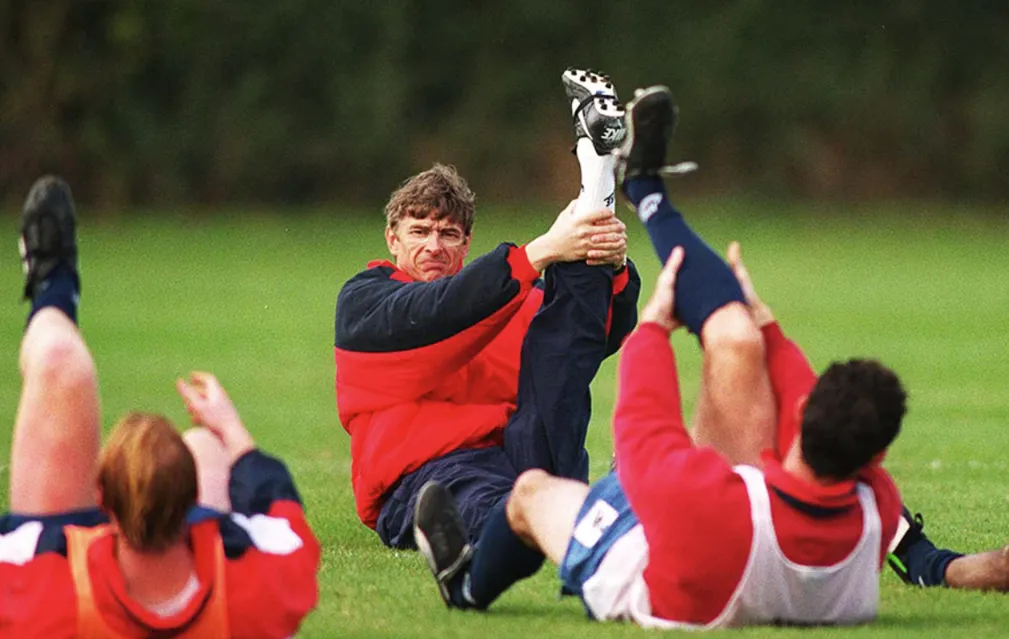
What truly set Wenger apart was his obsession with detail. He introduced new training methods that focused on flexibility and injury prevention. He changed the players’ diet, banning chocolate, alcohol, and fatty foods from the training ground. He brought in masseurs, nutritionists, and fitness coaches. Players like Tony Adams, who had struggled with alcoholism, publicly credited Wenger with saving his career.
Wenger also revolutionized scouting. He didn’t rely solely on British talent; he looked at the French league, the African Cup of Nations, and the South American markets. He saw value where others saw risk. His signings, like Patrick Vieira, Thierry Henry, and Robert Pirès, were not just players; they were pieces of a larger puzzle he was building.
The Immediate Impact at Highbury
A Rocky Start and a Promise of Gold
Wenger’s first season was a mixed bag. He took over in October 1996 and had little time to implement his ideas. The team finished third in the league, but signs of his influence were already visible. The players were fitter, the passing was sharper, and the team had a new-found resilience. He famously promised the fans that Arsenal would win the league within two years. Many laughed. He was right.
The 1998 Double: A Statement to the World
The 1997-98 season was a masterpiece. Arsenal won the Premier League and the FA Cup, completing only the second league and cup double in the club’s history. The football was breathtaking. The “Back Four” of Adams, Bould, Dixon, and Winterburn combined with the flair of Overmars, Bergkamp, and Anelka. This was the birth of “Wengerball”—a style of play that prioritized movement, speed, and technical ability over physical strength.
A Lasting Legacy on the Premier League
Changing the DNA of English Football
Arsène Wenger didn’t just win trophies; he changed the way the game is played in England. Before him, foreign managers were rare and often failed. After him, the door swung open. His success proved that a technical, continental approach could work in the physical English game. Clubs like Chelsea, Liverpool, and Manchester United soon followed suit, hiring foreign coaches and adopting similar methods.
The modern Premier League, with its global stars, high-intensity pressing, and focus on nutrition and recovery, owes a huge debt to the Frenchman. He was a pioneer who saw the future and dragged English football into it, sometimes kicking and screaming.
The Invincibles: The Pinnacle of Wengerism
The 2003-04 season was the ultimate vindication of his philosophy. Arsenal went the entire league season unbeaten—a feat not achieved in the top flight since 1889. The “Invincibles” played football that was poetry in motion. Thierry Henry, Dennis Bergkamp, Robert Pirès, and Patrick Vieira were superstars, but they were also a team. Wenger had built a machine that was both beautiful and ruthless.
This team didn’t just win; they entertained. They scored for fun, defended with pride, and played with a swagger that has rarely been matched. For fans of Mostbet, this era remains a gold standard of what football can be when talent and philosophy align perfectly.
Analysis and Expert Commentary
The Tactical Genius
Football analyst James Richardson, a long-time observer of Arsenal, often highlights how Wenger was ahead of his time. “He understood that the game is played in transitions,” Richardson said in a recent podcast. “His teams were always set up to win the ball high up the pitch and attack with pace. It sounds obvious now, but in 1996, nobody was doing that in England.”
Wenger’s ability to adapt was also underrated. He moved from a 4-4-2 to a 4-2-3-1 formation seamlessly. He knew when to push players forward and when to sit back. His substitutions were often criticized, but his starting lineups were almost always perfectly balanced.
The Human Element
Beyond tactics, Wenger was a master manager of men. He created a family atmosphere at the club. He protected his players fiercely, often clashing with the media over negative stories. He gave young players chances and had an almost paternal relationship with many of his stars. This loyalty was reciprocated. Players like Thierry Henry have spoken about how Wenger believed in them when nobody else did.
Conclusion: The Man Who Changed the Game
Looking back, the signing of Arsène Wenger in 1996 was a pivotal moment in football history. It was a gamble that paid off beyond anyone’s wildest dreams. He didn’t just win trophies; he built a philosophy, a legacy, and a standard that still resonates at Arsenal to this day. For fans of the beautiful game, his story is a reminder that sometimes the boldest moves are the ones that define an era.
At Mostbet, we believe in celebrating the legends of the sport who have shaped its history. What are your memories of Arsène Wenger’s Arsenal? Share your thoughts in the comments below, or share this analysis with your fellow football fanatics. Stay tuned for more deep dives into the moments that made football the global passion it is today.
