

The world of football transfers is often a high-stakes chess game where timing and strategy can make or break a club’s season. Recently, a revelation from Brentford manager Thomas Frank has sent ripples through the Premier League community, confirming what many suspected: the departure of Brennan Johnson from the Bees to Tottenham Hotspur came at a less-than-ideal moment. This acknowledgment opens a fascinating discussion about squad building, player development, and the delicate balance between a club’s ambitions and a player’s career trajectory. As we dive deep into this narrative, we’ll explore the tactical implications, the emotional weight of such moves, and what this means for both clubs moving forward, bringing you the kind of expert analysis you’ve come to expect.
The transfer saga of Brennan Johnson is more than just a simple transaction; it’s a story of opportunity, risk, and the harsh realities of modern football economics. For Brentford, losing a player of Johnson’s caliber mid-season felt like a gut punch, disrupting the rhythm of a team that had carefully built its identity around collective effort. For Tottenham, securing a young, dynamic forward represented a statement of intent, a move to inject pace and creativity into their attack. However, Frank’s recent comments shed light on the complex dynamics at play, suggesting that the departure left a void that was hard to fill. Let’s break down the key aspects of this transfer and what it reveals about the current state of Premier League football.
The Context Behind Brennan Johnson’s Move
To understand why Thomas Frank feels the timing was poor, we must first appreciate the context within which Johnson was thriving at Brentford. The Welsh international had become a linchpin in Frank’s system, operating primarily on the right wing but with the versatility to drift inside and cause chaos.
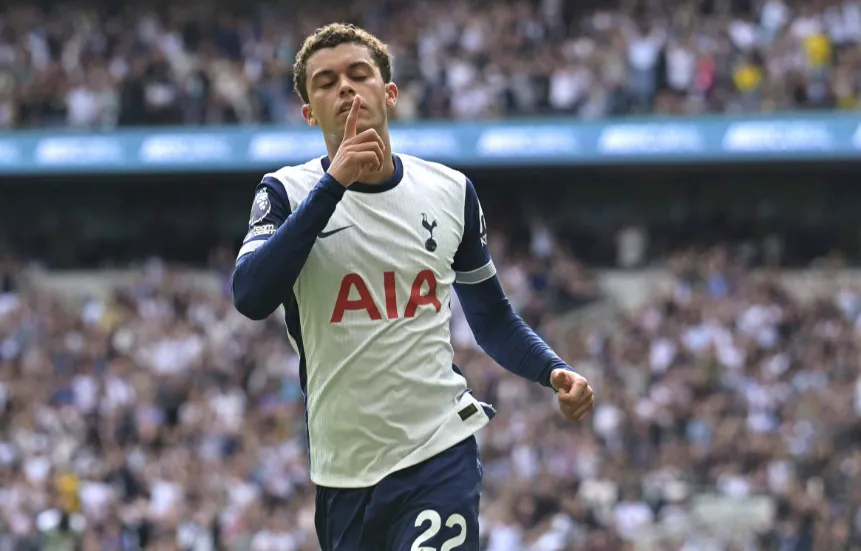
Johnson’s Role at Brentford
At the Gtech Community Stadium, Johnson was more than just a winger; he was a catalyst for Brentford’s transition play. His blistering pace allowed the team to spring counter-attacks with devastating effectiveness, while his willingness to track back made him a vital defensive asset.
- Tactical Fit:He was the perfect outlet for Brentford’s long-ball strategy, often latching onto passes from the likes of Christian Nørgaard and Vitaly Janelt.
- Developing Chemistry:Johnson had built excellent partnerships with full-back Rico Henry and striker Ivan Toney, creating a fluid front line that opponents struggled to contain.
- Statistical Impact:In his final full season with Brentford, Johnson contributed significantly to their attacking output, registering goals and assists that were crucial to their mid-table stability.
The Transfer Window Pressure
The transfer window is a pressure cooker, and for Tottenham, the need for a dynamic wide player was acute. Following the departure of Harry Kane, the club was searching for new ways to generate goal threat. Johnson, with his raw pace and direct running, seemed like the ideal acquisition. However, the timing left Brentford in a lurch:
- Late Window Move:The deal was completed near the deadline on September 1st, leaving Brentford with little time to secure a replacement.
- Pre-season Integration:Johnson had already participated in Brentford’s pre-season and the early games of the Mostbet Premier League campaign, meaning his integration into Tottenham’s system had to happen mid-season, a notoriously difficult adjustment period.
- Psychological Factor:The transfer saga itself, with rumors swirling for weeks, can disrupt a player’s focus and a team’s morale. Frank’s comments hint at the unsettling effect this had on his squad.

The Transfer Window Pressure
Thomas Frank’s Honest Assessment
Thomas Frank is known for his forthrightness and tactical acumen, so his admission that the “timing was poor” is not just a throwaway line. It reflects a genuine concern for his team’s competitive edge.
The Challenge of Rebuilding Momentum
When a key player departs unexpectedly, a team must rebuild its attacking patterns on the fly. Frank outlined the specific challenges:
- Loss of a Proven Threat:Johnson’s ability to stretch defenses was a unique weapon. Without him, Brentford faced teams that could press higher, knowing the counter-attacking threat was diminished.
- Squad Depth Issues:While Brentford has a reputation for smart recruitment, replacing a player of Johnson’s specific profile is not easy. The club had to rely on internal solutions or younger players who were not yet ready for such a significant role.
- Tactical Adjustment:Frank had to tweak his system, shifting from a direct, pace-based attack to a more possession-oriented approach or relying on different movement patterns from other players like Bryan Mbeumo or Yoane Wissa.
The Human Element
Behind the statistics and tactics, there is a human story. Frank emphasized the importance of emotional intelligence in managing the situation:
“The transfer of Brennan was a great opportunity for him personally, but from a purely sporting perspective for us, it came at a moment that was less than ideal. We had to manage the team’s disappointment while also focusing on the job ahead.”
This quote underscores the delicate balance a manager must strike: supporting a player’s career progression while protecting the team’s performance goals. For Brentford, it was a test of their resilience and depth.
Implications for Tottenham Hotspur
For Tottenham, the acquisition of Johnson was a clear signal of their intent to evolve under manager Ange Postecoglou. The Australian coach demands high energy, vertical play, and relentless pressing – qualities that Johnson possesses in abundance.
How Johnson Fits Postecoglou’s System
Postecoglou’s tactical framework is built on the concept of “Ange-ball,” which requires:
- Width and Pace:Johnson provides natural width, stretching the play and creating space for the likes of Son Heung-min and James Maddison to operate in central areas.
- Work Rate:The system demands constant pressing from the front. Johnson’s stamina and defensive commitment are vital to making the high press effective.
- Direct Running:When Tottenham win the ball, they look to transition quickly. Johnson’s ability to carry the ball at speed is a perfect match for this strategy.
The Adjustment Period
However, as Frank noted, the timing of the transfer means Johnson had to adapt to a new system mid-season. This is rarely seamless:
- Learning Curves:Understanding Postecoglou’s positional rotations and defensive triggers takes time and repetition.
- Injury Concerns:The fast-paced nature of the Premier League, combined with the mental pressure of a big-money move, can increase the risk of muscle injuries.
- Fan Expectations:At Tottenham, Johnson is not just a promising talent; he is a £47.5 million signing. The expectation for immediate impact can be heavy.
The Broader Trend in Premier League Transfer Strategy
This situation is not unique to Brentford and Tottenham. It highlights a broader trend in modern football: the clash between long-term squad planning and the immediate demands of the transfer market.
The Rise of “Data-Driven” Transfers
Clubs are increasingly using analytics to identify undervalued talents. Johnson’s move was likely backed by data that showed his expected assists, progressive carries, and defensive actions were elite. However, data cannot always account for the human factor of timing.
The Impact on Smaller Clubs
For clubs like Brentford, which operate with a “buy low, sell high” model, transfers like this are financially necessary. Yet, they come with a cost:
- Disrupted Seasons:Losing a star player can derail a season, as seen with Brighton after losing Moisés Caicedo or Leicester after selling Harry Maguire.
- The Redundancy Cycle:Clubs must constantly have a “next man up” mentality, which requires exceptional scouting and a robust academy.
Looking Ahead: Predictions and Expectations
As a football analyst, I see several potential outcomes from this transfer saga, based on historical trends and current form.
Short-Term Outlook for Brentford
Brentford’s ability to adapt will hinge on a few key factors:
- The Rise of Keane Lewis-Potter:The young winger has been gradually integrated into the first team. This could be his breakout opportunity.
- Set-Piece Resilience:Frank’s teams are always dangerous from set-pieces. They may double down on this strength to compensate for the loss of open-play dynamism.
- Midfield Creativity:The return of a fully fit Christian Eriksen, or the development of new signings, could provide alternative routes to goal.
Long-Term Vision for Tottenham
For Spurs, Johnson is a project. Here is what realistic expectations look like:
- Season One:A bedding-in period with 8-10 goal contributions in all competitions would be considered a success.
- Season Two:Full adaptation to the system could see him become a regular starter, with output increasing to 15+ contributions.
- Peak Form:By his third season, if Postecoglou is still at the helm, Johnson could be a 20+ goal/assist per season player on the wing.
The Fan’s Perspective: What This Means for You
For those following the Mostbet Premier League coverage, this is a fascinating case study in modern football. It reminds us that transfers are not just about skill and price tags; they are about timing, environment, and human psychology. As a fan, you can look for these indicators:
- Body Language:Notice Johnson’s confidence levels in the early games for Tottenham. Is he taking on defenders or playing safe passes?
- Team Cohesion:Watch how Brentford’s attacking patterns evolve. Are they still creating the same number of chances from open play?
- Manager Reactions:Pay attention to Frank and Postecoglou’s press conferences. Their comments will reveal how they are managing the internal dynamics.
As we wrap up this deep dive, the story of Brennan Johnson’s transfer is a perfect reminder that in football, every decision has a ripple effect. Tottenham’s gain came at a moment that was tactically inconvenient for Brentford, but such is the nature of the beautiful game.
Final Thoughts and Call to Action
The transfer of Brennan Johnson from Brentford to Tottenham is a compelling narrative that highlights the delicate art of timing in football. While Thomas Frank has openly accepted that the timing was poor for his side, it also presents an opportunity for both clubs to evolve. Brentford will rely on their renowned tactical flexibility and squad depth to fill the void, while Tottenham look to harness Johnson’s explosive talent within Ange Postecoglou’s ambitious framework.
What do you think about this transfer? Was it a mistake for Johnson to leave mid-season, or was it the right move for his career? Share your thoughts in the comments below! Don’t forget to share this article with your fellow football enthusiasts on social media and explore more of our in-depth analyses for the latest in the world of Mostbet sports. Your engagement keeps the conversation alive, so let’s hear your take on this Premier League puzzle!
